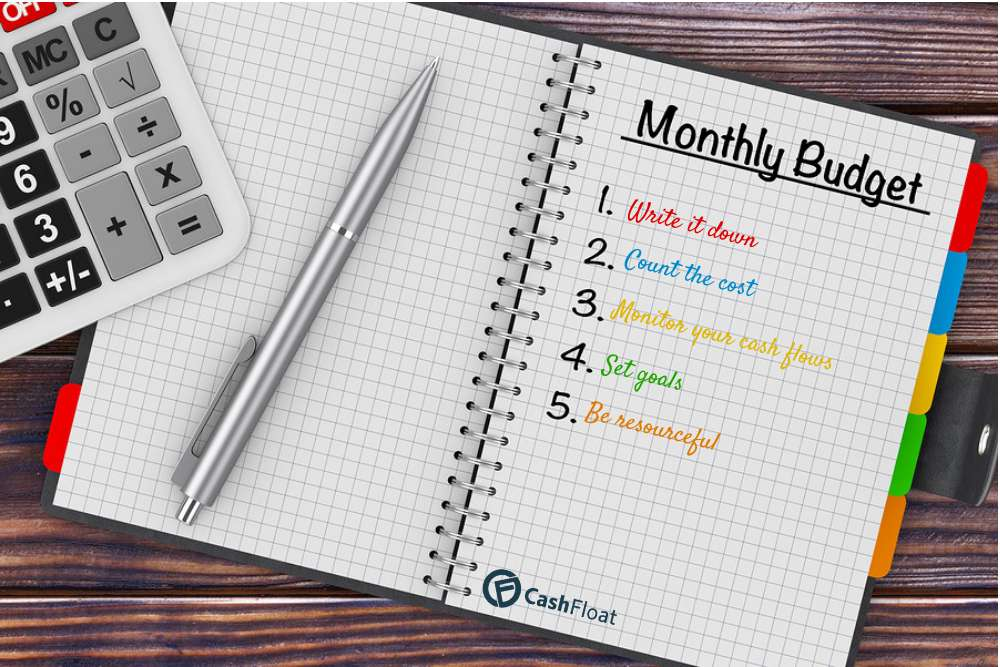
Managing money can feel overwhelming, especially when your income has to cover many different needs. From rent and groceries to savings and unexpected expenses, it’s easy to lose track of where your money oes. That’s why having a clear budgeting strategy is not just helpful—it’s essential.
This article will walk you through simple, practical, and effective budgeting strategies that anyone can follow. Whether you earn a fixed salary or have irregular income, these methods will help you take control of your finances in a calm and confident way.
Understanding the Importance of Budgeting
Before jumping into strategies, it’s important to understand why budgeting matters.
A budget is simply a plan for your money. It helps you:
- Know how much you earn and spend
- Avoid unnecessary debt
- Save for future goals
- Reduce financial stress
Without a budget, money tends to “disappear” without you realizing where it went. Budgeting gives your income a purpose.
Step 1: Know Your Monthly Income
Start by calculating your total monthly income. This includes:
- Salary or wages
- Freelance or side income
- Business earnings
- Any other regular income
If your income varies, take an average of the last 3–6 months. This gives you a realistic estimate to work with.
Step 2: Track Your Expenses
Next, track where your money is going. Divide your expenses into three categories:
1. Fixed Expenses
These are regular and predictable:
- Rent
- Utility bills
- School fees
- Loan payments
2. Variable Expenses
These change month to month:
- Groceries
- Transportation
- Eating out
- Shopping
3. Occasional Expenses
These don’t happen every month:
- Medical costs
- Repairs
- Gifts or events
Tracking expenses for at least one month can be eye-opening. Many people realize they spend more than they thought on small things.
Step 3: Use the 50/30/20 Rule
One of the easiest budgeting strategies is the 50/30/20 rule. It divides your income like this:
- 50% for needs (rent, food, bills)
- 30% for wants (entertainment, dining, hobbies)
- 20% for savings and debt repayment
This method is simple and flexible. If your expenses are higher, you can adjust the percentages, but the idea is to balance your spending.
Step 4: Pay Yourself First
This is a powerful mindset shift.
Instead of saving what’s left after spending, save first. As soon as you receive your income:
- Put a portion into savings
- Transfer money to an emergency fund
- Invest if possible
Even saving a small amount regularly builds a strong habit over time.
Step 5: Set Clear Financial Goals
Budgeting becomes easier when you know what you’re working toward.
Ask yourself:
- Do I want to save for a house?
- Do I need an emergency fund?
- Am I planning a trip?
- Do I want to be debt-free?
Having clear goals gives your budget purpose and motivation.
Step 6: Build an Emergency Fund
Life is unpredictable. Unexpected expenses can come anytime.
An emergency fund helps you handle:
- Medical emergencies
- Job loss
- Urgent repairs
Start small. Aim for at least 3–6 months of basic expenses over time. Even saving a little each month makes a difference.
Step 7: Reduce Unnecessary Spending
Cutting expenses doesn’t mean you have to stop enjoying life. It simply means being more mindful.
Here are a few ideas:
- Cook more meals at home
- Limit impulse buying
- Cancel unused subscriptions
- Compare prices before buying
Small changes can free up a surprising amount of money.
Step 8: Use the Envelope or Digital Method
To control spending, try one of these methods:
Envelope Method
Divide cash into envelopes for categories like food, transport, and entertainment. When the envelope is empty, you stop spending.
Digital Budgeting Apps
Use apps or spreadsheets to track expenses in real time. This works well if you prefer cashless payments.
Choose the method that fits your lifestyle.
Step 9: Plan for Irregular Expenses
Many people forget to budget for expenses that don’t happen monthly.
For example:
- Annual fees
- Festivals or holidays
- Car maintenance
Divide these costs into monthly amounts and set aside money regularly. This prevents financial stress later.
Step 10: Review Your Budget Monthly
A budget is not something you create once and forget.
At the end of each month:
- Review your spending
- Compare it with your plan
- Adjust where needed
Maybe you spent more on food or less on transport. That’s okay. The goal is to improve gradually.
Step 11: Avoid Debt When Possible
Debt can quickly become a burden if not managed carefully.
Try to:
- Avoid unnecessary loans
- Pay credit card balances on time
- Focus on clearing high-interest debt first
If you already have debt, include repayment in your budget and stay consistent.
Step 12: Stay Consistent and Patient
Budgeting is not about perfection—it’s about consistency.
Some months will be better than others. Unexpected expenses may come up. That’s normal.
What matters is:
- Staying committed
- Learning from mistakes
- Continuing to improve
Over time, budgeting becomes a natural habit.
A Simple Example of Monthly Budget
Let’s say your monthly income is $1,000:
- Needs (50%) = $500
- Wants (30%) = $300
- Savings (20%) = $200
This is just a guideline. You can adjust it based on your situation.
Final Thoughts
Budgeting is not about restricting your life—it’s about gaining control and peace of mind. When you know where your money is going, you feel more confident and less stressed.
Start small. Track your expenses, set goals, and build better habits step by step. Over time, these small changes will lead to big financial improvements.
Frequently Asked Questions (FAQs)
1. What is the easiest way to start budgeting?
The easiest way is to track your income and expenses for one month. Then, create a simple plan using the 50/30/20 rule.
2. How much should I save each month?
A good starting point is 20% of your income. If that’s not possible, start with any small amount and increase gradually.
3. What if my income is irregular?
Use an average of your past earnings and focus on covering essential expenses first. Save extra income during higher-earning months.
4. How can I reduce overspending?
Track your spending daily, avoid impulse purchases, and set limits for categories like food and entertainment.
5. Is budgeting really necessary for small incomes?
Yes, even more so. Budgeting helps you make the most of limited income and avoid financial stress.
